Magic is one of the oldest manifestations of human spirituality. Long before the emergence of religions, states or science, people tried to understand and influence the forces of nature. Thunder, lightning, eclipses, death and birth seemed supernatural phenomena.
This gave rise to magical thinking — the belief that certain actions, words, or objects can influence the world and change reality.
For ancient people, magic was not entertainment, but a means of survival. They performed rituals before hunting to appease the spirits of animals, or sang incantations during sowing to bring rain.

Shamanism — the first form of magic
Shamans were among the first magicians in human history.
A shaman is a mediator between the world of humans and spirits. He could ‘travel’ in trances, summon the spirits of ancestors, heal diseases, and predict the future.
Shamanic practices have survived to this day in many cultures — among the peoples of Siberia, African tribes, Native Americans, and even in South America.
Interestingly, almost everywhere, rituals were accompanied by music, drums, dance, and fire — this helped to induce an altered state of consciousness in themselves and the participants.

The Magic of Ancient Egypt
Egypt was one of the most magical civilisations in the world. The culture itself was based on the idea of the interconnection between the world of the living and the dead.
Priests were considered to be the keepers of secret knowledge (heka was the name given to Egyptian magic). They used:
amulets with hieroglyphs for protection;
spells from the Book of the Dead to help the souls of the deceased pass into the afterlife;
magical purification rituals to cure diseases.
Magic in Egypt was not considered evil — it was part of the sacred power of the gods. The god Heka himself embodied the very concept of magical energy.

Magic in Mesopotamia: spells and demonology
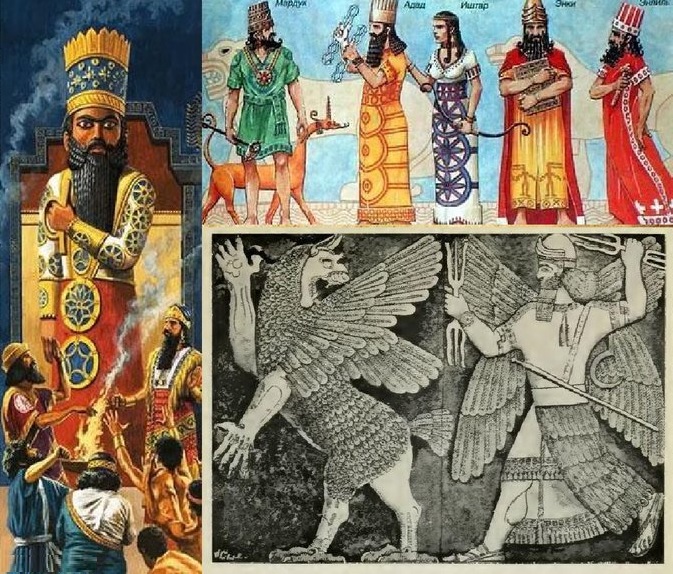
In ancient Babylonia and Assyria, magic had a more practical and at the same time dark character.
This is where the first spells against demons, curses, amulets, as well as records of astrological predictions appeared.
Exorcist priests (ashipu) specialised in expelling evil spirits, while other priests, bar, engaged in prophecy based on signs — stars, the livers of sacrificial animals, dreams.
Magic in Mesopotamia was closely intertwined with science, especially astronomy and medicine. This is where the idea of the influence of the planets on human destiny originated — the basis of future astrology.
Ancient Greece: magic, philosophy and myth
In Greece, magic took on an intellectual dimension.
It was here that the first reflections on natural and supernatural forces arose, and magicians were often philosophers at the same time.
The Orphics and Pythagoreans believed that the harmony of numbers and sounds could influence the soul.
Homer and Hesiod described sorceresses such as Circe and Medea, who possessed knowledge of herbs and spells.
Greek doctors, including Hippocrates, began to separate magic from medicine, but still recognised the power of words and symbols.
In later times (the Hellenistic period), magical papyri appeared in Alexandria — records of spells, spirit invocations, love charms, and alchemical recipes. Many of them have survived to this day.

Ancient Rome: between superstition and law
The Romans had a dual attitude towards magic.
On the one hand, they respected the augurs, who interpreted the will of the gods based on the behaviour of birds. On the other hand, black magic (maleficium) was severely punished.
Caesar even issued decrees against those who summoned spirits or prepared love potions.
However, Roman patricians often kept Greek magicians and astrologers in their service, as they were considered wise advisors.
Magic in Rome became part of everyday life — talismans, amulets, curses on tablets, ‘love potions’ — all this existed alongside the official religion.

Magic in ancient Slavic culture
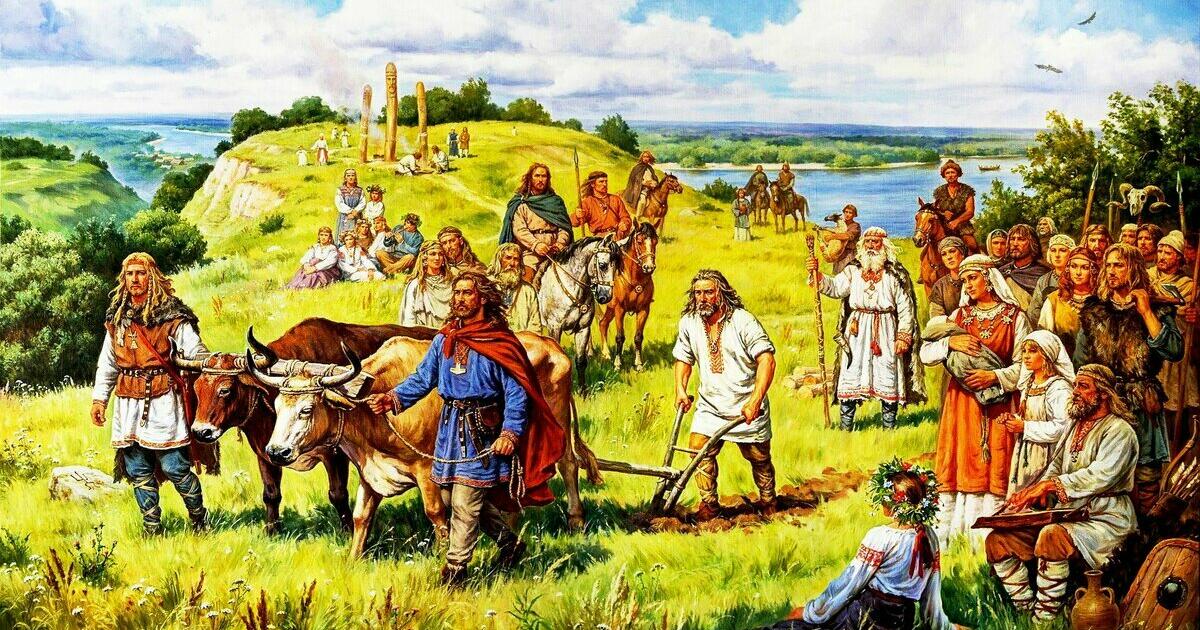
Our ancestors, the Slavs, had deep magical traditions.
Before the adoption of Christianity, there was a pagan belief system in which everything around them — rivers, forests, stones, thunder — had its own spirit.
Magicians, sorcerers, and healers performed rituals:
for healing with herbs;
calling rain;
protection from evil forces;
fortune telling.
Ritual magic occupied a special place — carols, spring songs, Midsummer bonfires, spells. These actions had both sacred and social significance — they united the community.
Medieval magic and alchemy
In the Middle Ages, magic took on a new form.
On the one hand, the church declared it a sin, and many magicians were accused of having ties to the devil.
On the other hand, secret knowledge did not disappear, but transformed into alchemy, astrology, and Kabbalah.
Alchemists sought to find the philosopher’s stone, the elixir of eternal life, and a way to turn metal into gold.
Their laboratories were both temples of science and magic.
Figures such as Paracelsus, Raymond Lull, and Nicolas Flamel became legendary.
During this period, magic became an intellectual discipline — a combination of philosophy, symbolism, mathematics, and spiritualism.

Renaissance: the revival of magic as a science
The 16th century was an era when magic once again emerged from the shadows.
Scientists and philosophers such as Marsilio Ficino, Giovanni Pico della Mirandola, and Giordano Bruno believed that the universe was a single living system and that a magician was someone who understood its laws.
Natural magic emerged — an attempt to explain magical phenomena through nature, harmony, and energy.
It was from this that future scientific disciplines would grow — chemistry, psychology, and the physics of light.